Honey Bees Clipart: A Sweet Asset for Modern Design
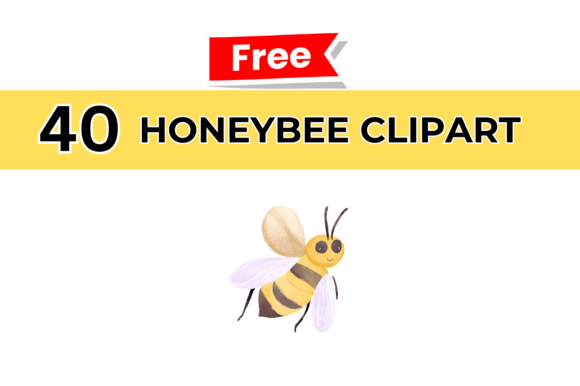
In a digital landscape saturated with generic stock imagery, finding a visual asset that is both charming and versatile can elevate a project from ordinary to unforgettable. Honey bees clipart offers a perfect example of how a specific, well-crafted graphic element can inject personality and thematic depth into a wide array of creative work. This collection, featuring 40 unique designs in a crisp 2000x2000 pixel PNG format, is engineered for immediate integration into professional workflows, providing a resource that is as practical as it is visually appealing.
The Power of a Focused Visual Theme
Why do honey bees resonate so strongly in graphic design? They are more than just insects; they are powerful symbols of community, diligence, nature, and productivity. Incorporating honey bees clipart into a project can subtly communicate these values, strengthening a brand's narrative without a single word. In visual design, consistency is key. A dedicated set of clipart ensures that every application—from a logo to a social media post—maintains a cohesive aesthetic, which is fundamental to building a recognizable brand identity.
Practical Applications Across Creative Projects
The true value of a high-quality design asset lies in its versatility. This set of honey bees clipart can be seamlessly adapted to numerous contexts, enhancing both digital and print design projects.
- Branding and Logo Design: A single, stylized bee can become the cornerstone of a memorable logo for businesses in agriculture, eco-friendly products, wellness, or community organizations.
- Marketing and Social Media Graphics: Use bee motifs to create engaging Instagram stories, Facebook headers, or email newsletter banners that capture attention and reinforce campaign themes around growth and collaboration.
- Web and UI Design: Integrate subtle bee icons into user interface elements, loading animations, or section dividers to add a layer of delight and personality to a website or app, improving the overall user experience.
- Packaging and Print Design: On product labels, packaging inserts, or printed materials, bee illustrations can enhance shelf appeal and convey a brand's commitment to natural ingredients or artisanal quality.
- Editorial and Presentation Design: Elevate reports, presentations, or blog post graphics with relevant imagery that breaks up text and aids in visual storytelling, making complex information more digestible.
Integrating Clipart into a Professional Workflow
Simply having a great graphic is not enough; its implementation must be thoughtful. When using honey bees clipart or any design element, consider these principles to ensure a polished result:
- Maintain Visual Hierarchy: Use bees as accent elements, not overwhelming focal points, unless they are central to the logo. Their size and placement should guide the viewer's eye, not distract from the core message.
- Ensure Scalability and Clarity: The provided PNG format with a high resolution of 2000x2000 pixels ensures the clipart remains sharp and clear whether scaled down for a favicon or used in a large print layout. Always check that edges remain crisp at your intended size.
- Harmonize with Your Color Palette: While the clipart may come in a specific colorway, its versatility allows for recoloring in most graphic design software. Ensure the new colors align with your established brand palette for seamless integration.
- Respect Context and Audience: A playful, cartoonish bee suits a children's brand, while a more detailed, scientific illustration might better serve an educational publisher. Select the style from the collection that best matches your project's tone.
Ultimately, the most effective design choices are those that serve a clear purpose. High-quality creative assets like this honey bees clipart collection save valuable time in the design workflow while providing a reliable foundation for visual communication. By thoughtfully selecting and applying these elements, designers, marketers, and creators can produce work that is not only aesthetically pleasing but also strategically coherent, ensuring every visual touchpoint strengthens the intended message and enhances the viewer's experience.