Streamline Your Creative Assets with a Personal Inventory Template
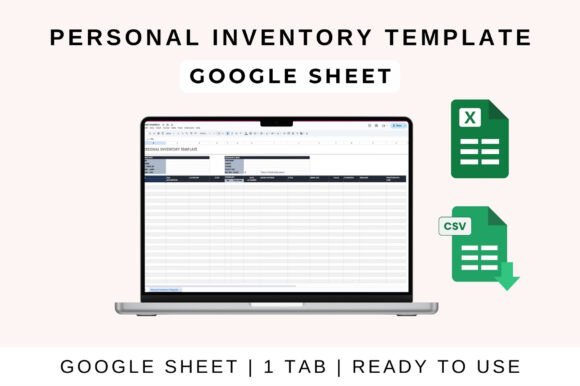
In the fast-paced world of graphic design, managing a growing library of assets—from fonts and color palettes to stock imagery and client logos—can quickly become overwhelming. A structured Personal Inventory Template is an indispensable tool for any designer, marketer, or creative professional seeking to bring order to this chaos. This template is designed to help you keep track of your personal items, valuables, or even important documents. Whether for insurance, decluttering, or estate planning, this template gives you a clear, organized overview of everything you own.
The Strategic Role of Asset Management in Design
Effective visual communication hinges on consistency and efficiency. A well-maintained inventory allows you to instantly locate the correct brand logo, recall the exact hex code for a client's color palette, or verify the licensing on a premium font. This practice directly strengthens brand identity and streamlines your design workflow, ensuring every social media graphic, web design element, or packaging layout adheres to established guidelines. It transforms your collection of files into a curated, professional resource library.
Practical Applications Across Creative Projects
The utility of a personal inventory system extends far beyond simple file tracking. It becomes a central hub for critical project information. Consider its impact across various domains:
- Branding & Logo Design: Log variations, primary and secondary color values, and approved typefaces for each client's brand identity system.
- Marketing & Social Media: Track the performance and usage rights of high-engagement social media graphics and campaign templates.
- Web & UI Design: Document UI kit components, icon libraries, and specific typography scales for a cohesive user experience.
- Editorial & Print Design: Catalog stock photography, illustration styles, and layout grids for magazines, brochures, or annual reports.
- Packaging & Advertising: Manage dielines, material specifications, and advertising copy for multi-channel campaigns.
Key Features for Maximum Utility
A robust template, compatible with tools like Google Sheets, Excel, and Apple Numbers, should offer more than a simple list. Look for features that enable dynamic management:
- Categorical Tracking: Organize items by type (e.g., Clothing, Electronics, Documents, Creative Assets).
- Detailed Logging: Record item names, value, brand, purchase dates, and serial numbers for each asset.
- Contextual Notes: Add notes, warranty information, or direct links to digital receipts and license files.
- Advanced Filtering: Use filters and sorting to quickly find or group items by category, value, or project.
Implementing Your Inventory System
Getting started is straightforward. For Google Sheets users, simply upload the template to Google Drive. Open the file, enter your data under the relevant categories, and leverage automated calculations to track totals and values. Customize categories and formulas to fit your unique needs, then share the sheet with collaborators for real-time updates. In Microsoft Excel, download the file, enable editing for full functionality, and begin inputting your data. The principles of organization and clarity apply universally.
Choosing the right creative assets is a deliberate design decision. By implementing a Personal Inventory Template, you invest in a system that promotes visual hierarchy, ensures scalability for growing projects, and maintains the professional integrity of your work. This meticulous approach to managing your resources ultimately elevates the quality of your output, enhances client trust, and allows your creative vision to shine with clarity and precision.